Search Results for: “poll book”
Discover Your Ancestors Periodical - Issue 18 (October 2014)
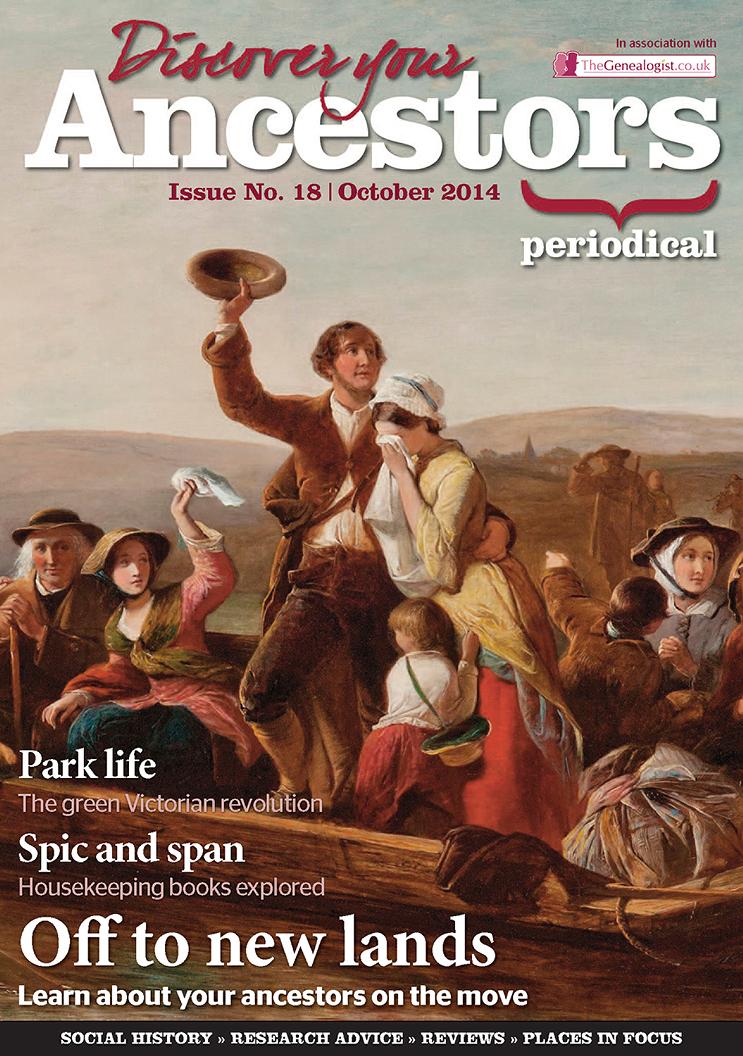
Issue 18 features: * Housekeeping through history: Margaret Powling shows how housekeeping books can illuminate social history * Celebration of place: A new one-place studies conference * Wounded in WW1: Explore 1.3m casualty records online * Sea changes: Karen Foy on the many ways we can learn about our migrant ancestors * A walk in the park: The development of public parks * The slippery poll: 18th and 19th century poll books revealed * History in the details: Cloaks and mantles * Places in Focus: Norwich More Info
Product Code: DYAP018
Can't find what you're looking for? Try using our filter system to narrow down your search.
Available through our sister site GenFair
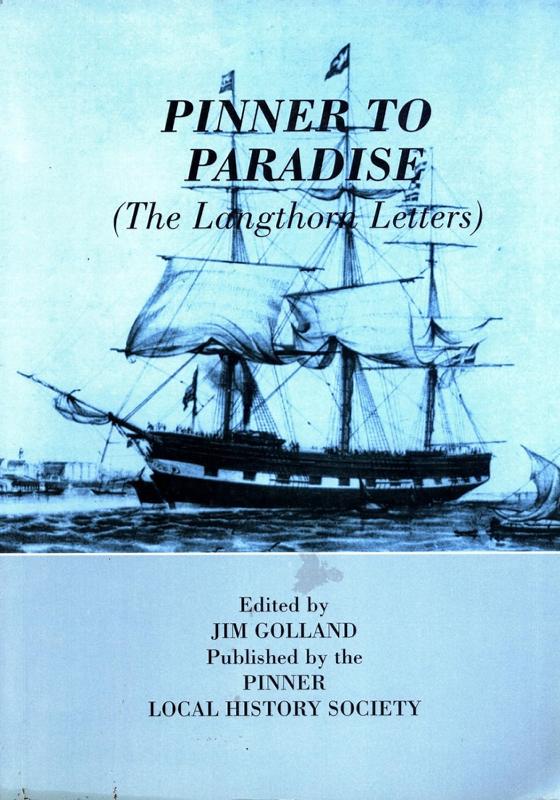
Secret Pinner
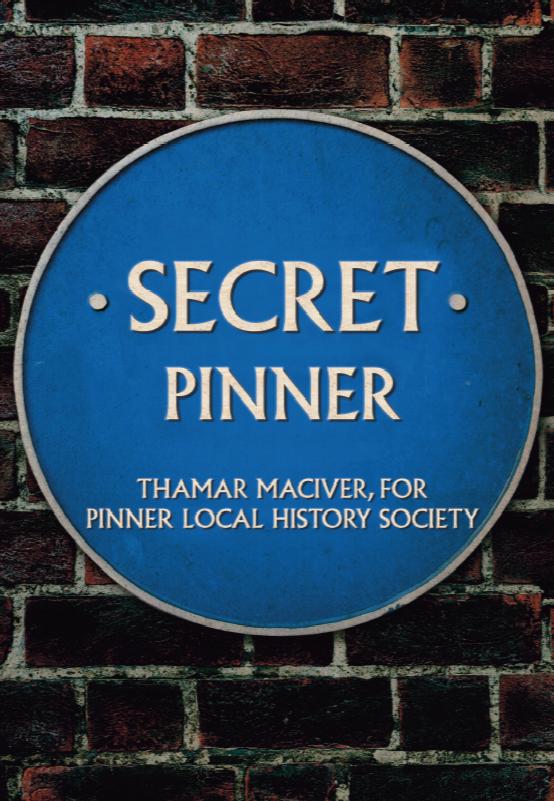
Secret Pinner is an introduction to Pinner’s often little- known history, and covers a wider area than might be expected, taking in the modern areas of Hatch End, North Harrow, and Rayners Lane. Its chapters deal with topics as various as famous residents, early policing, roads and railways, and local suffragettes, and chart the area’s transformation from its medieval past as a purely agricult...More Info
Pinn 6
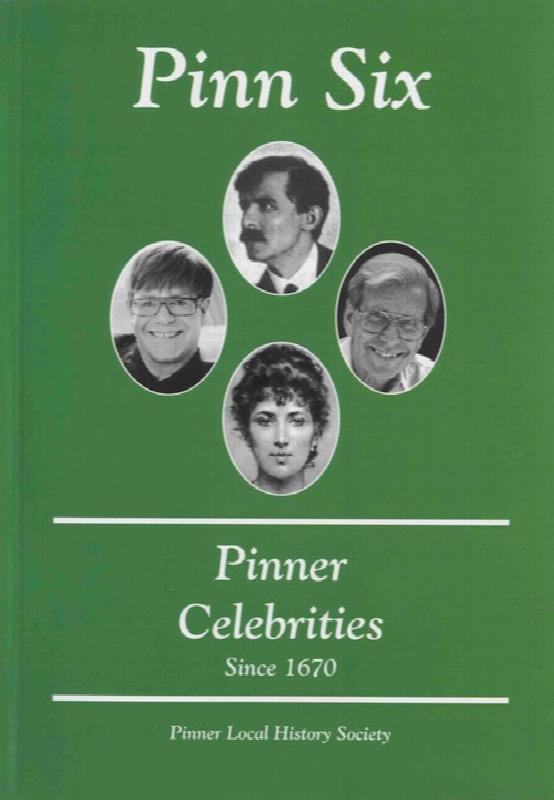
Pinn 6 Pinner Local History Society has produced a number of monographs on Pinner. Among these are two outlining lives of notable Pinner Residents. This monograph, Pinn 6, is one and encompasses outlines of a number of Pinner Residents since 1670 who were of some fame or notoriety. They include the Heath Robinson family. The three brothers Thomas, Charles and William were prominent resid...More Info
Pinn 7
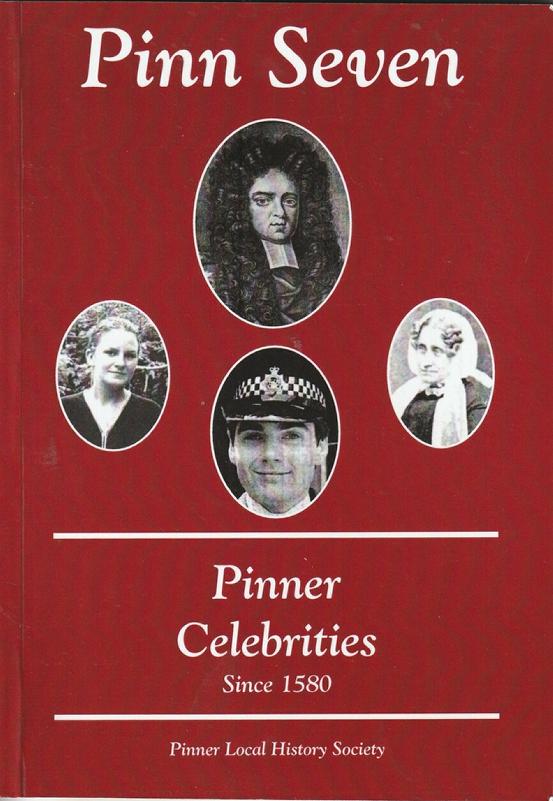
Pinn 7 Pinner Local History Society has produced a number of monographs on Pinner. Among these are two outlining lives of notable Pinner Residents. This monograph, Pinn 7, is one and encompasses outlines of a number of Pinner Residents since 1580 who were of some fame or notoriety. All of them have been resident in Pinner at some time or other. Some were famous only in Pinner, big fish in...More Info
Dalkeith Tolbooth and Market Cross by David R Smith
"The Tolbooth was the focal point of the Scottish burgh from medieval times until the 19th century. Incorporating the office where taxes were paid, the centre of local administration and also the prison where debtors were jailed, it was the most important single building in the community. As such it was the focus of much civic pride and community identity"--Back cover. 72 pages