Search Results for: “Phillimore Parish Records”
Wiltshire Phillimore Parish Records (Marriages) Volumes 01 to 14 on one CD Special Offer
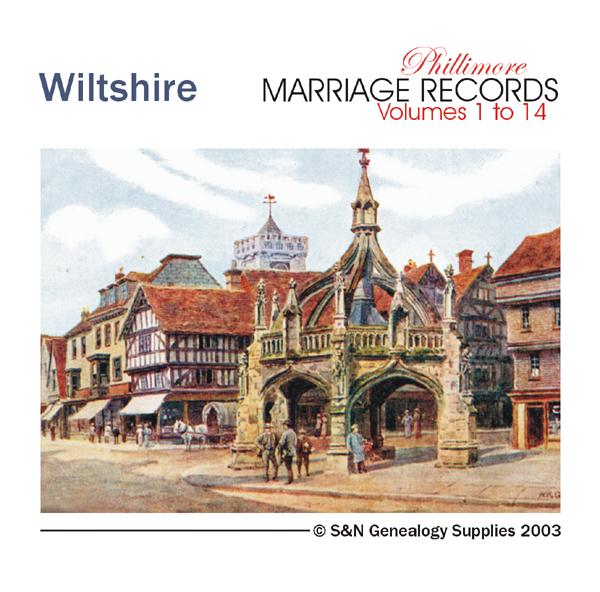
Phillimore's transcripts of marriage registers. *Alderton 1606-1812 *Allington 1623-1812 *Alton Barnes 1597-1812 *Ashley 1658-1812 *Baverstock 1559-1812 *Beechingstoke 1590-1812 *Bemerton with Fuggleston 1608-1837 *Boscombe 1625-1812 *Boyton 1560-1837 *Bratton 1542-1837 *Brinkworth 1653-1812 *Britford 1573-1812 *Bulford 1608-1812 *Castle Eaton 1549-1812 *Charlton (nr Pewsey)1696-1812 *Cherington als Chirton 1588-1812 *Chisledon 1641-1812 *Cholderton 1608-1812 More Info
Can't find what you're looking for? Try using our filter system to narrow down your search.
Available through our sister site GenFair
CS120 Churchwardens Presentments 1662 Vol 1
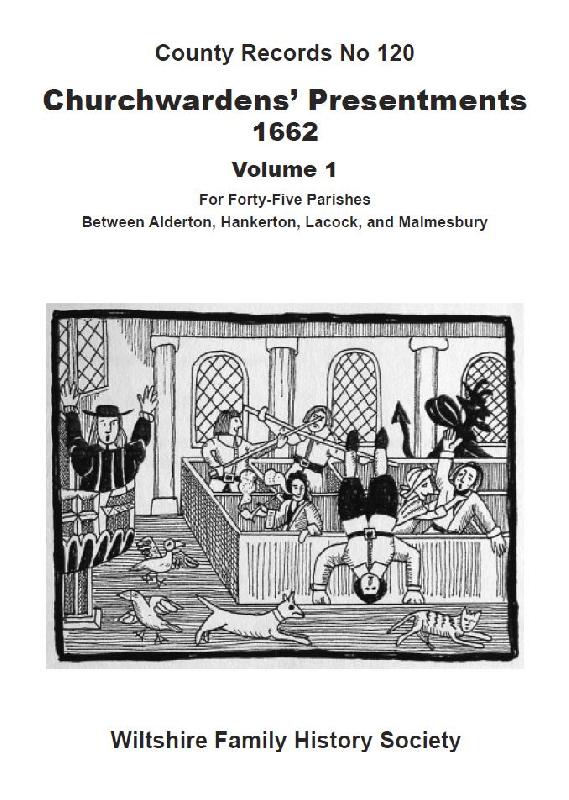
45 parishes in area between Alderton, Hankerton, Lacock & Malmesbury, (including Chippenham) The Churchwardens Presentments 1662 offer a unique insight into problems after the Restoration. A4, 24 pages. These are answers to a questionnaire sent to each parish prior to the Bishop's Visitation, when churchwardens or other parishioners were required to cover a wide range of business, and the...More Info
CS121 Churchwardens Presentments 1662 Vol 2

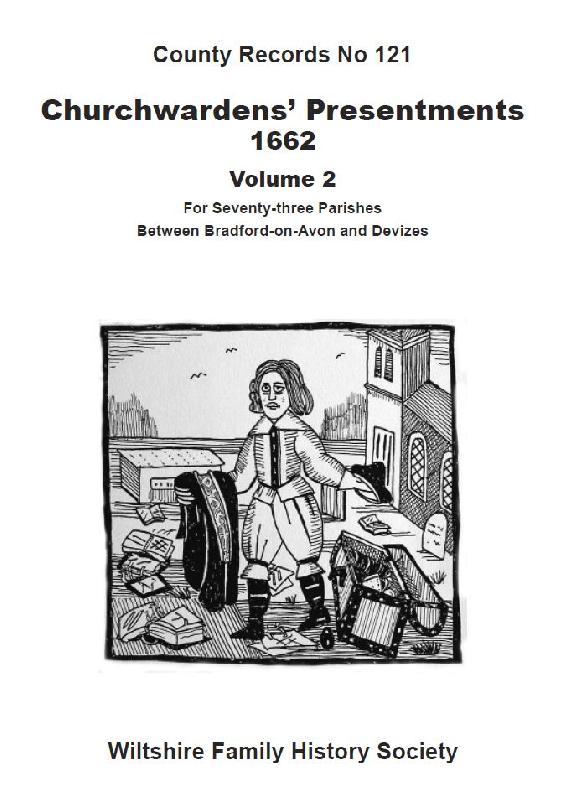
73 parishes between Bradford on Avon, Wootton Bassett and Fittleton The Churchwardens Presentments 1662 offer a unique insight into problems after the Restoration. A4, 49 pages. These are answers to a questionnaire sent to each parish prior to the Bishop's Visitation, when churchwardens or other parishioners were required to cover a wide range of business, and they are an important so...More Info
CS122 Churchwardens Presentments 1662 Vol 3
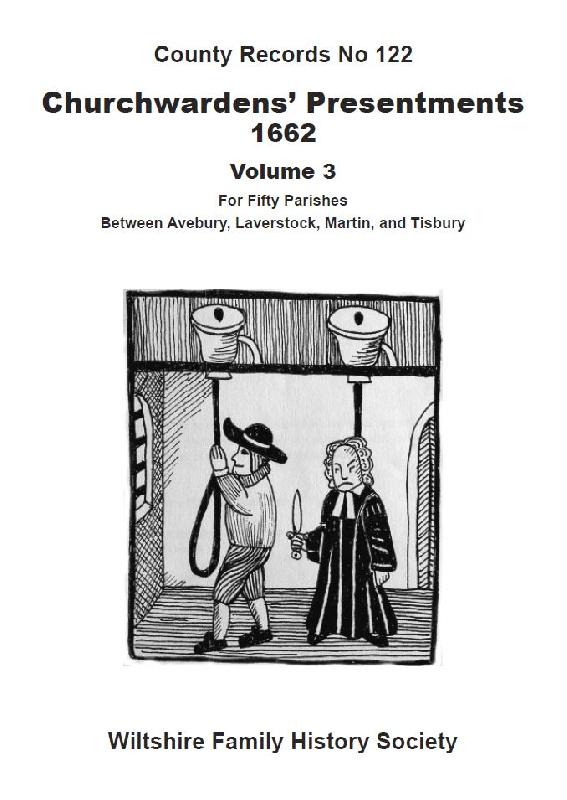
50 parishes in area between Amesbury, Laverstock, Martin & Tisbury The Churchwardens Presentments 1662 offer a unique insight into problems after the Restoration. A4, 32 pages. These are answers to a questionnaire sent to each parish prior to the Bishop's Visitation, when churchwardens or other parishioners were required to cover a wide range of business, and they are an important sou...More Info
CS123 Churchwardens Presentments 1662 Vol 4
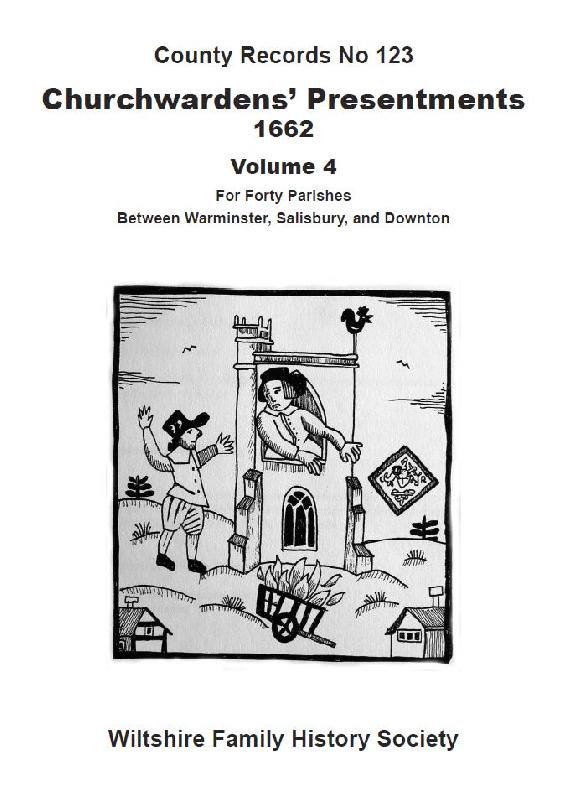
40 parishes in area between Warminster, Salisbury & Downton The Churchwardens Presentments 1662 offer a unique insight into problems after the Restoration. A4, 32 pages. These are answers to a questionnaire sent to each parish prior to the Bishop's Visitation, when churchwardens or other parishioners were required to cover a wide range of business, and they are an important source for both...More Info
CD11 Wiltshire Land Tax 1780
Land Tax started in 1692 and remained until the mid 20th century. Between 1780-1832 copies were required to be sent to the Clerk of the Peace of each county to be used to establish the right of those eligible to vote in parliamentary elections (not everyone paying land tax had that right). Thus returns for those years are generally complete whereas before and after very few have survived. The retu...More Info