Search Results for: “Army”
Somerset Musters 1569 Special Offer
This muster roll lists the men in the county militia, stationed at home whilst the army was abroad, for Somerset in 1569. Entries are made alphabetically by parish. Fully indexed, it includes details of the weapons and armour held by the men, and a section of explanatory notes. *Digitally enhanced images of the original text *Searchable *Bookmarked by major headings *Fully printable... More Info
Somerset, Bath 1916 Street Directory

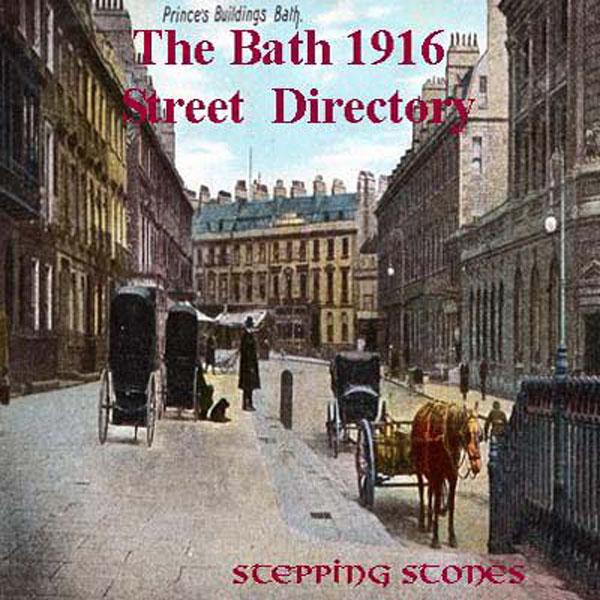
Stepping Stones CD publication. Contents of the 1916 Bath Street Directory Street Directory Printable Index of the Street Directory Alphabetical list of Detached Houses Surrounding Villages Directory Printable index of the surrounding Villages Clerical Directory Printable index of the Clerical Directory Army and Navy Directory Postal and Miscellaneous Directory Printable index of the Postal and Miscellaneous Directory Carriers Directory Commercial Directory Index of t More Info
Somerset, Bath 1922 Directory


Alphabetical residents directory of the City of Bath, plus Village directories, Clerical directory, Army and Navy directory, Professional and Trades directory, plus listings for the City Council, Rural District Council, education, hospitals, literary, musical and political societies, temperance societies and more. *Over 1000 pages *Digitally enhanced images of the original text *Searchable text *Bookmarked by major headings *Fully printable... More Info
Can't find what you're looking for? Try using our filter system to narrow down your search.
Available through our sister site GenFair
Dating Old Army Photographs
Robert Pols. Help with dating army photographs from the 19th to the early 20th century
Tracing your Army Ancestors / Simon Fowler
Most of us have ancestors who served in the army. This book offers a comprehensive introduction to researching them. It covers not just the extensive records held at the National Archives, but also information held by a wide range of other record offices and libraries. Published by Pen & Sword Books, 2006.
A Family Historians Great War
To commemorate the centenary of the start of the Great War, DDFHS has published this A4 sized booklet. It looks at subjects that will answer questions raised by people researching their family history during this period. It considers why your ancestors may have joined the army or stayed at home and assesses the impact this had on their families. It also explores attitudes to marriage and cohabitat...More Info
Kent Administrations in the Prerogative Court of Canterbury 1801-1810
The Prerogative Court of Canterbury (PCC) had superior jurisdiction for probate purposes over the south of England from the 14th century until it, and all the other church courts, were abolished in January 1858 and the Principal Probate Registry was founded. The PCC dealt with the grants of probate of wills and letters of administration (admons) of the estates of intestates of those who had go...More Info